
How to Safely Clear a Slow Drain — And When to Call Elite Plumbing and Drains
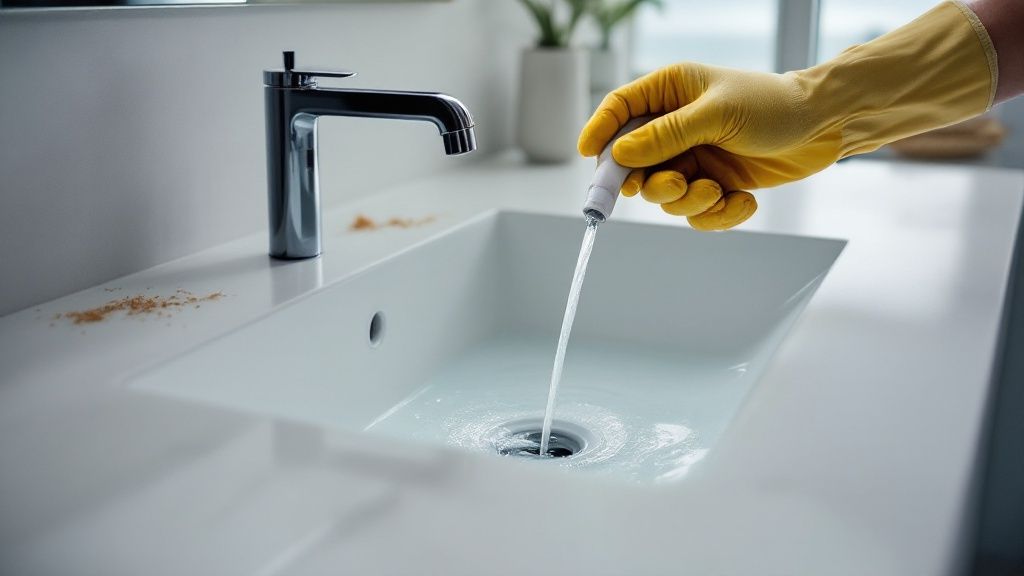
A slow drain can be one of the most frustrating plumbing problems to deal with. Whether it’s in your kitchen sink, bathroom, or shower, watching water struggle to drain away can be a sign of an underlying issue. The good news is that many slow drains can be cleared up with some basic methods, but sometimes, professional help is needed to prevent the problem from becoming worse.
At Elite Plumbing and Drains, we understand that not all drain issues are the same. While some clogs are easy to fix with DIY methods, others may require the expertise of a licensed plumber. In this guide, we’ll show you how to safely clear a slow drain and explain when it’s time to call in the professionals.
Why Do Drains Get Slow?
Before we dive into how to clear a slow drain, it’s helpful to understand why drains get slow in the first place. Common culprits include:
- Hair Buildup: In bathrooms, hair can easily accumulate in drains, causing blockages over time.
- Grease and Soap: In kitchens, grease, soap scum, and food particles often stick to the inside of pipes, restricting water flow.
- Mineral Buildup: Hard water can lead to mineral deposits in your pipes, which can cause a gradual slowing of drainage.
- Foreign Objects: Small items like jewelry, toys, or debris can become lodged in pipes, leading to blockages.
- Tree Roots: In more severe cases, tree roots may infiltrate sewer lines, causing significant clogs and slow drainage.
Step 1: Start with a Plunger
A plunger is one of the simplest and most effective tools for clearing a slow drain, especially in sinks, bathtubs, and toilets. Here’s how to do it:
- Create a Seal: Ensure that the rubber cup of the plunger is completely covering the drain opening. If you’re working in a sink, you may want to plug the overflow drain with a wet cloth to ensure better suction.
- Plunge Firmly: Push the plunger down gently to create suction, then pull it up quickly to release it. Repeat this motion several times to loosen any debris clogging the drain.
- Check the Drainage: After several plunges, check to see if the water drains more quickly. If it does, you may have successfully cleared the clog.
Step 2: Use a Drain Snake or Auger
If plunging doesn’t do the trick, the next step is to try a drain snake (also known as an auger). A drain snake is a long, flexible tool that can reach deep into the pipes to dislodge clogs. Here’s how to use it:
- Insert the Snake: Place the snake into the drain and begin turning the handle to feed it deeper into the pipe.
- Break Up the Clog: Once you encounter resistance, keep turning the handle to break up or grab the clog. You may need to push and pull the snake to loosen the debris.
- Retrieve the Snake and Test the Drain: Once the clog is dislodged, slowly pull the snake out of the drain. Test the drain by running water to see if it clears more easily.
Step 3: Try a Natural Drain Cleaner
If mechanical methods don’t work, you might want to try a natural drain cleaner before reaching for harsh chemicals. Here’s a simple and safe DIY solution using ingredients you probably have at home:
- Baking Soda and Vinegar: Pour about half a cup of baking soda into the drain, followed by half a cup of white vinegar. Let the mixture sit for 10–15 minutes, allowing the chemical reaction to help break down the clog.
- Rinse with Hot Water: After the waiting period, flush the drain with hot water. The combination of baking soda and vinegar can help clear minor clogs and remove debris.
This natural solution is great for routine maintenance and minor slow drains, but it may not work for more severe blockages.
Step 4: Avoid Harsh Chemical Drain Cleaners
While chemical drain cleaners may seem like an easy solution, they can be harmful to your pipes and the environment. These chemicals often contain strong acids or lye that can corrode pipes, especially if they’re used frequently. Over time, they can even make blockages worse by damaging the pipes and causing leaks.
Instead of resorting to chemical cleaners, try using the methods above or calling in a professional plumber when necessary. If you do use a chemical cleaner, make sure to follow the instructions carefully and use it sparingly.
Step 5: Regular Maintenance
The best way to avoid future slow drains is to perform regular maintenance. Here are a few tips to keep your pipes flowing smoothly:
- Install Drain Screens: Use mesh screens over your drains to catch hair, food, and other debris before they can enter your pipes.
- Avoid Pouring Grease Down the Drain: Never pour grease, oil, or fat down your kitchen drain. These substances solidify in pipes and create serious clogs.
- Flush with Hot Water: Once a month, flush your drains with boiling water to help break down any grease or soap buildup.
- Maintain Your Plumbing System: Consider scheduling a routine inspection with a professional plumber to catch any potential issues before they become major problems.
When to Call a Professional Plumber
While DIY methods can be effective for minor slow drain issues, there are times when professional help is necessary. Here’s when you should call Elite Plumbing and Drains:
1. Persistent Clogs
If your drain remains slow despite your best efforts, it could indicate a more serious blockage deeper in the pipes. A plumber has the tools and expertise to perform a thorough inspection and clear stubborn clogs.
2. Multiple Drains Are Affected
If several drains in your home are slow or clogged simultaneously, it could be a sign of a larger plumbing issue, such as a problem with your main sewer line. In this case, it’s best to call a professional plumber to inspect your entire system.
3. Frequent Clogs
If you find yourself dealing with clogged drains frequently, it could indicate an ongoing issue with your plumbing system, such as tree root intrusion, mineral buildup, or a damaged pipe. A licensed plumber can diagnose the problem and provide a permanent solution.
4. Unpleasant Odors
If you notice foul odors coming from your drain, this could indicate trapped food, grease, or even a sewer line issue. A plumber can clear the blockage and ensure your system is functioning properly.
5. Damage to Pipes
If you suspect your pipes are cracked or damaged, don’t attempt a DIY fix. A professional plumber can conduct an inspection and repair any damage to prevent further issues, such as leaks or flooding.
Conclusion
Clearing a slow drain can often be a simple and rewarding DIY task, but when the problem is more serious, calling in a professional plumber is the best solution. If you’re facing persistent drain issues or simply want to avoid the hassle of DIY repairs, Elite Plumbing and Drains is here to help. Our team of licensed professionals can quickly and efficiently resolve any plumbing issue, ensuring your home or business runs smoothly. When in doubt, give us a call and leave the drain clearing to the experts.