What Causes Plumbing Leaks in Older Riverside Homes?
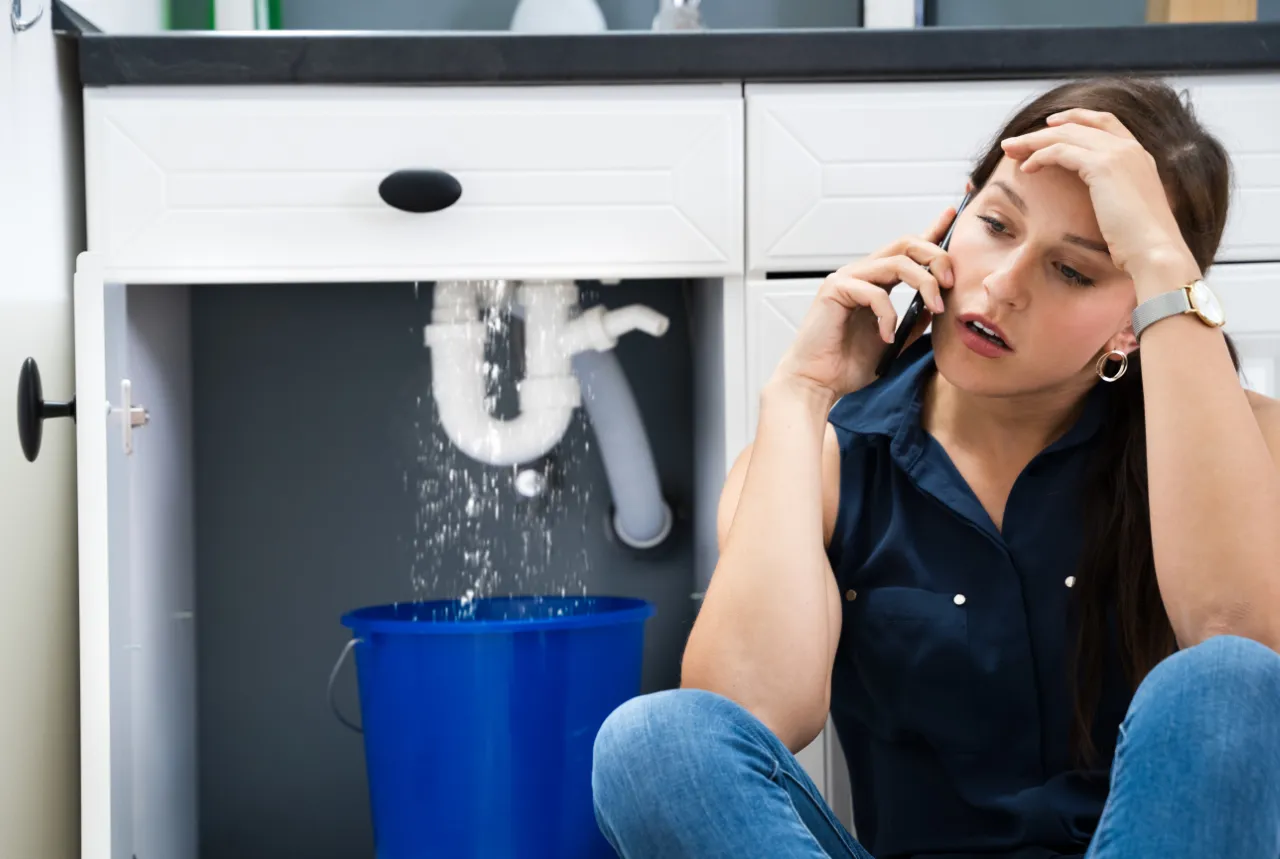
Riverside is home to many beautiful, historic houses that add charm and character to the area. However, with age comes wear and tear, especially when it comes to the plumbing system. Plumbing leaks in older homes are a common problem that homeowners face. These leaks can lead to serious water damage, mold growth, and costly repairs if not addressed promptly. Understanding the causes of plumbing leaks in older homes can help you identify potential issues early and take action before they cause significant damage.
At Elite Plumbing and Drains, we specialize in diagnosing and fixing plumbing problems in older Riverside homes. In this article, we’ll explore the primary causes of plumbing leaks in older homes and provide helpful tips on how to prevent them.
1. Corrosion and Rust in Pipes
One of the most common causes of plumbing leaks in older homes is the corrosion and rusting of pipes. Over time, the metal used in older plumbing systems, such as galvanized steel, can corrode due to the constant exposure to water and minerals. The corrosion weakens the pipe walls, eventually leading to leaks.
In Riverside, the local water supply can be particularly hard, meaning it contains higher levels of minerals like calcium and magnesium. This can contribute to the rusting process in older metal pipes. When pipes corrode, they can develop small holes or cracks that result in water leaks, especially in areas where the pipes are under pressure, such as at pipe joints.
How to Prevent Corrosion:
- Replace Old Pipes: If your home still has galvanized steel pipes or other outdated materials, consider replacing them with newer, more durable piping materials like copper or PEX.
- Regular Inspections: Schedule annual plumbing inspections to check for signs of corrosion before they turn into major leaks.
2. High Water Pressure
Excessively high water pressure can put undue stress on the pipes in your home, causing them to weaken or crack over time. Older homes may not have modern pressure regulation systems, making them more susceptible to high water pressure issues.
When water pressure is too high, it can lead to pipe joints coming loose or cracking, resulting in leaks. Additionally, high pressure can cause damage to fixtures, appliances, and water heaters, leading to leaks in other parts of your plumbing system.
How to Prevent High Water Pressure:
- Install a Pressure Regulator: A pressure regulator can be installed to keep the water pressure within the ideal range (typically 40-60 psi). This is especially important if your home is located in an area with high municipal water pressure.
- Check Pressure Regularly: Have your plumber test your water pressure periodically to ensure it is within a safe range for your plumbing system.
3. Pipe Joint Wear and Tear
Over time, the joints that connect different sections of your plumbing pipes can become weak, loose, or damaged. In older homes, these joints may be made from materials that are no longer in use today, such as lead or older forms of PVC. When these joints weaken, they can develop leaks at the points where the pipes meet.
Older homes may also have poorly made or improperly sealed joints, which can eventually fail and cause water to leak out. Leaks at the joints can be especially problematic since they are often difficult to detect until the water damage becomes significant.
How to Prevent Pipe Joint Leaks:
- Re-seal or Replace Joints: Have a professional plumber inspect and re-seal any exposed pipe joints or replace them with modern, leak-proof materials.
- Regular Maintenance: Annual plumbing check-ups can help catch pipe joint issues early before they cause serious leaks.
4. Shifting Foundations and Settling
Older homes in Riverside may experience settling or shifting of the foundation over time, especially if the soil underneath the home is not as stable as it was when the house was first built. This shifting can place stress on the plumbing pipes, especially those running under the foundation, leading to cracks or fractures that result in leaks.
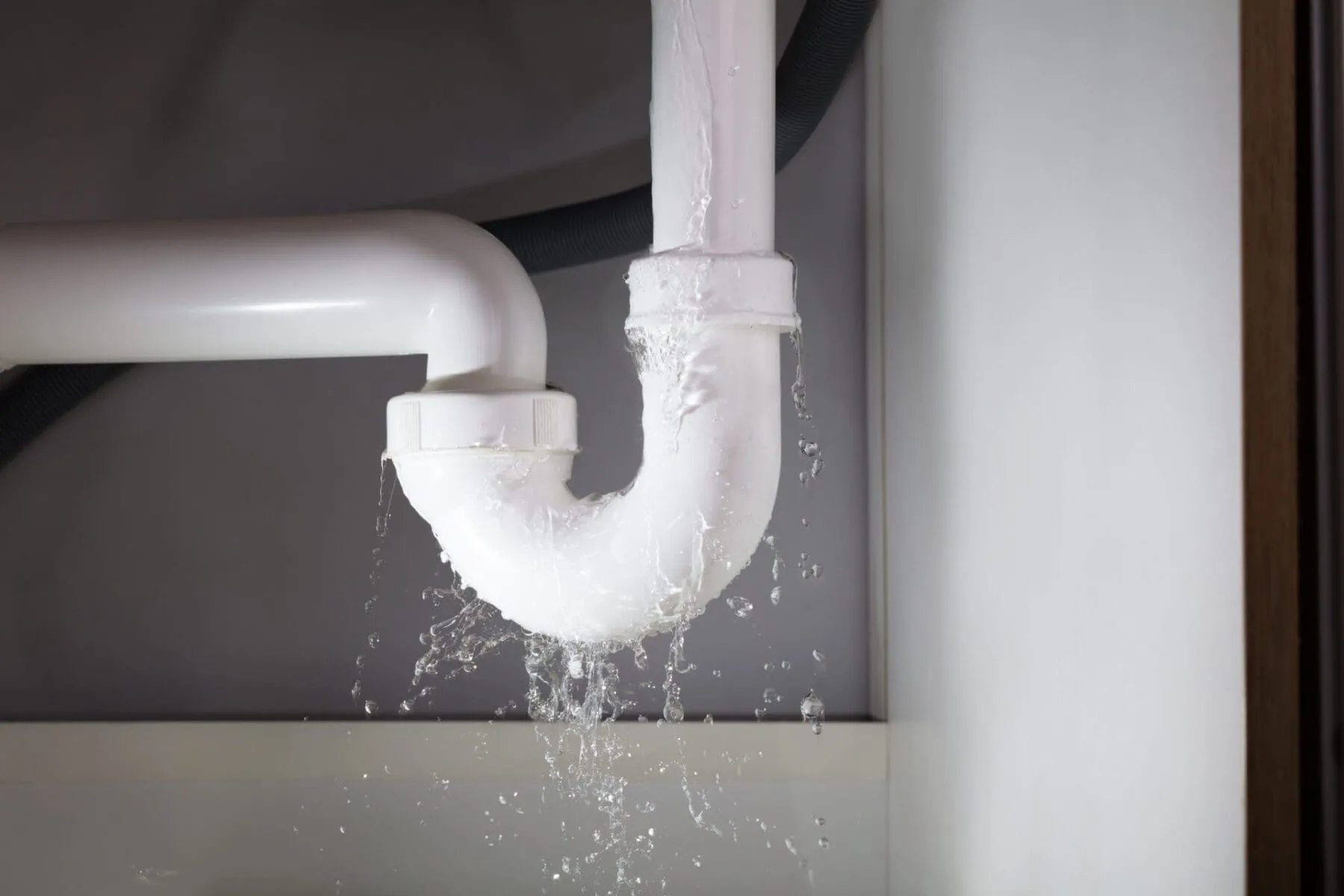
Settling can also cause pipes to move out of alignment, putting pressure on the joints and making them more susceptible to failure. In some cases, the settling may even cause pipes to break or burst, leading to significant water damage.
How to Prevent Foundation-Related Leaks:
- Foundation Inspections: Have your home’s foundation inspected regularly, especially if you notice any signs of movement, like cracks in walls or uneven floors.
- Pipe Insulation: In homes with shifting foundations, insulating the pipes may help protect them from the stress caused by movement.
5. Aging Materials and Deterioration
The materials used in older plumbing systems simply weren’t designed to last as long as modern materials. For instance, lead pipes, which were once common, are no longer used due to health concerns. Over time, these older materials deteriorate and weaken, making them more prone to leaks.
Other materials like cast iron or clay pipes, while more durable than lead, can still break down over time due to age and wear. As these materials deteriorate, they can develop cracks, holes, and other weaknesses that lead to water leaks.
How to Prevent Aging Pipe Leaks:
- Pipe Replacement: If your home has old pipes made from lead, cast iron, or clay, it’s important to replace them with more modern, reliable materials like copper, PEX, or PVC.
- Pipe Lining or Coating: In some cases, pipe lining or coating can extend the life of older pipes by reinforcing their interior walls and preventing leaks.
6. Clogs and Blockages
Another common cause of plumbing leaks in older homes is the buildup of debris, grease, hair, or other substances in the pipes. These blockages can cause water to back up, increasing pressure in the pipes and potentially leading to leaks.
Clogs in older plumbing systems are often more problematic because the pipes may be narrower, more prone to buildup, or less flexible than newer systems. If the pressure caused by a clog becomes too great, it can lead to a burst pipe or a leaking joint.
How to Prevent Clogs and Leaks:
- Use Drain Covers: Use drain covers in sinks, tubs, and showers to catch hair and debris before they enter the plumbing system.
- Regular Drain Cleaning: Have your drains professionally cleaned on a regular basis to remove any buildup that could lead to blockages and leaks.
- Be Careful What You Flush or Pour Down Drains: Avoid flushing items like wipes or grease down the drain, as these can cause blockages and pressure buildup in older pipes.
Conclusion
Plumbing leaks in older Riverside homes are a common issue, but many of the problems that lead to these leaks can be prevented with regular maintenance, proper inspections, and timely repairs. If you live in an older home and notice signs of leaks, such as water spots, mold growth, or a sudden increase in your water bill, it’s important to address the issue right away to prevent further damage.
At Elite Plumbing and Drains, we specialize in diagnosing and fixing plumbing leaks in older homes. Our experienced team can help you identify the root cause of any plumbing issue and provide reliable solutions to keep your plumbing system in great shape for years to come. If you suspect a plumbing leak, don’t wait—call us today for a professional inspection.